Doom Metal Explained
Doom metal slows heavy metal to a crawl and turns volume into mood, and its family tree runs from Black Sabbath to funeral doom.
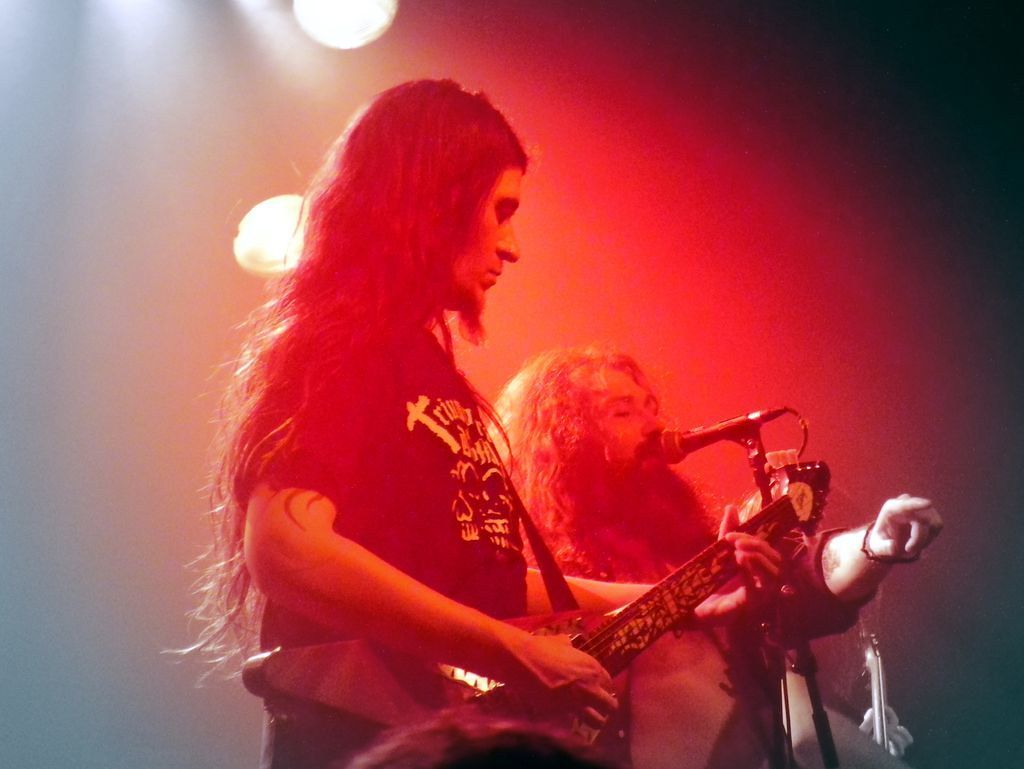
What is doom metal, and why do its fans love music that moves so slowly? In short, doom is heavy metal built on slow tempos, low and heavy guitar tone, and a mood of gloom and melancholy. Speed and technical display matter less than weight, atmosphere and long, sustained riffs.
Where doom came from
Almost every history of the genre starts with Black Sabbath. The title track of their 1970 debut, Black Sabbath, with its slow tritone riff and sense of dread, is often treated as the first doom song, and early albums such as Master of Reality (1971) pushed the downtuned, heavy sound further. Sabbath were not called a doom band at the time, but they supplied the template.
In the 1970s and 1980s a small group of bands took that template and made it a style of its own. Pentagram, formed in the early 1970s in the Washington, D.C. area, played heavy, Sabbath-inspired rock for years before releasing their first album in 1985. In California, Saint Vitus released records on the punk label SST, and Born Too Late (1986) remains a key traditional doom album. Chicago's Trouble released Psalm 9 (1984), and The Obsessed came out of Maryland. Sweden's Candlemass effectively named the genre with their debut Epicus Doomicus Metallicus (1986), adding operatic vocals and an epic, almost classical feel.
What defines the sound
Doom songs usually sit at slow or mid tempos, sometimes dropping to a crawl. Guitars are often tuned down and played with plenty of sustain, so each chord rings out. Riffs are repeated and allowed to build rather than change every few bars. Themes lean towards despair, death, religion, fantasy and loss. Traditional doom keeps clean, often dramatic vocals; heavier offshoots bring in growls and screams.
Those offshoots are where doom spreads out:
- Death-doom: doom tempos with death metal growls and heaviness, shaped in early-1990s England by Paradise Lost, My Dying Bride and Anathema.
- Funeral doom: the slowest and bleakest form, with extremely long songs and ambient layers, associated with Finland's Thergothon and Skepticism.
- Stoner doom: fuzzed-out, groove-heavy riffing with roots in 1970s rock, as in Sleep and Electric Wizard.
- Sludge: doom slowness mixed with hardcore punk aggression and harsh vocals, pioneered by the Melvins and carried on by bands such as Eyehategod.
A listening path
Start with the source: Black Sabbath's first two albums, Black Sabbath and Paranoid (both 1970). Then move to traditional doom with Candlemass's Epicus Doomicus Metallicus and Saint Vitus's Born Too Late, which show how the genre took shape. Next, try the heavier and more atmospheric side with Paradise Lost's Gothic (1991) and My Dying Bride's Turn Loose the Swans (1993). For the fuzz-and-groove branch, Sleep's Sleep's Holy Mountain (1992) is a common entry point. Finish with the extremes: Thergothon's Stream from the Heavens (1994) for funeral doom and the Melvins or Eyehategod for sludge.
A practical way to use this path is to spend a week on each step rather than jumping straight to the slowest records. Doom rewards patience, and the older albums make the newer ones easier to follow. When a band clicks, check its page on Encyclopaedia Metallum for the full discography and related acts, and let that lead to the next record.