Where to Start: Moonspell
Moonspell's catalogue runs from black metal demos to gothic classics and a Portuguese-language concept album, and a clear listening order makes it easy to explore.
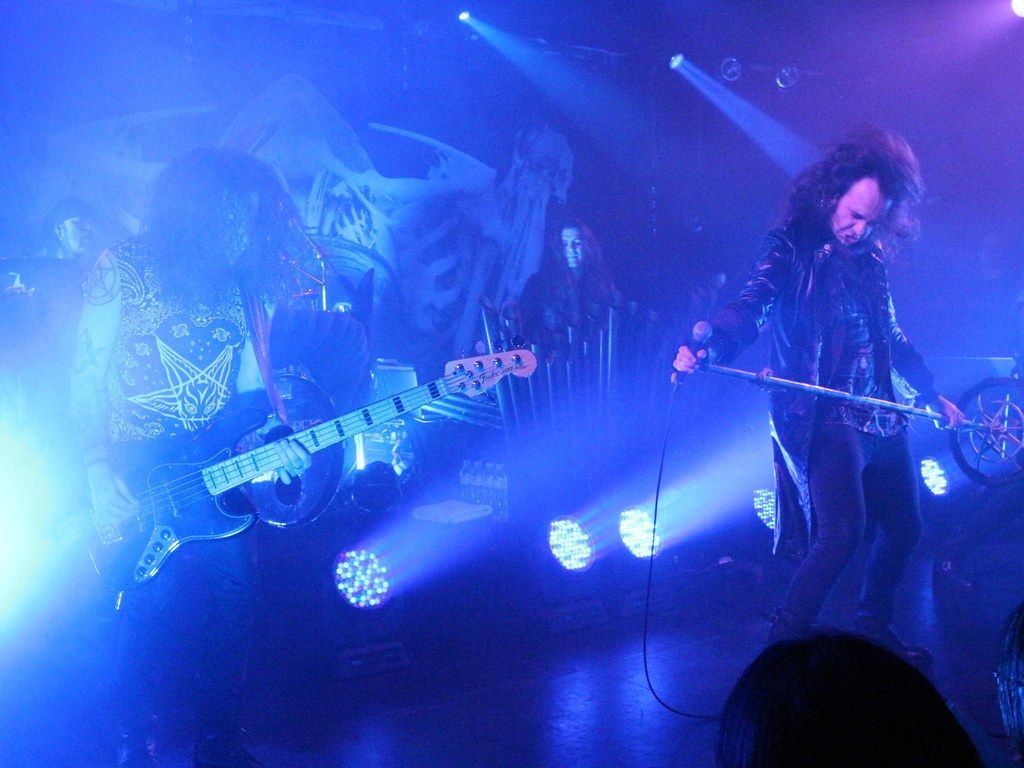
Where should a newcomer start with Moonspell, and in what order should the albums follow? Portugal's best-known metal band has released a long run of studio records since the mid-1990s, and they differ a lot in style. The simplest route is to begin with the two classic gothic metal albums, then move forward era by era.
Origins and the classic albums
The band formed in 1989 in Brandoa, in the municipality of Amadora on the edge of Lisbon, under the name Morbid God. It became Moonspell in 1992 and released the demo Anno Satanæ in 1993, followed by the EP Under the Moonspell in 1994. These early recordings are rooted in black metal, with Portuguese folk and Middle Eastern touches that already set the band apart.
Wolfheart (1995), the first full-length album, is the natural starting point. It keeps some black metal aggression but adds the dark romanticism, folk melodies and theatrical vocals of Fernando Ribeiro that define the band. Irreligious (1996) followed a year later and pushed further into gothic metal, with cleaner production, more keyboards and more memorable choruses. Together, these two albums are the core of the classic Moonspell sound.
The experimental years and later records
Sin/Pecado (1998) and The Butterfly Effect (1999) are the band's most experimental records, bringing in electronic, industrial and trip-hop textures. They split fans at the time and are best heard once the classic albums are familiar. Darkness and Hope (2001) and The Antidote (2003) returned to a more direct gothic metal style, with The Antidote paired with a book of linked stories by the Portuguese writer José Luís Peixoto.
Memorial (2006) and Night Eternal (2008) brought back much of the early heaviness, including black metal elements. Under Satanæ (2007) is a re-recording of the early demo-era material, useful for anyone curious about those songs in better sound. Alpha Noir/Omega White (2012) is a double album that splits the two sides of the band: the aggressive Alpha Noir and the gothic, melodic Omega White. Extinct (2015) leans towards polished, atmospheric gothic rock and metal.
1755 (2017) is a concept album about the earthquake that struck Lisbon on 1 November 1755, sung almost entirely in Portuguese. Heavy and orchestral, it is a good entry point for listeners interested in Portuguese history. Hermitage (2021) followed with a calmer, more progressive and atmospheric approach.
| Step | Album | Why |
|---|---|---|
| 1 | Wolfheart (1995) | The first album and the foundation of the sound |
| 2 | Irreligious (1996) | The gothic metal classic |
| 3 | Night Eternal (2008) | The heavier side in modern production |
| 4 | 1755 (2017) | The Portuguese-language concept album |
| 5 | Sin/Pecado (1998) | The experimental turn, once the rest is familiar |
Start by playing Wolfheart and Irreligious in full, in release order. If the heavier songs hook you, go next to Night Eternal and 1755; if the atmosphere and melodies matter most, try Omega White and Extinct. The complete studio discography is listed on the band's official website and on Encyclopaedia Metallum.