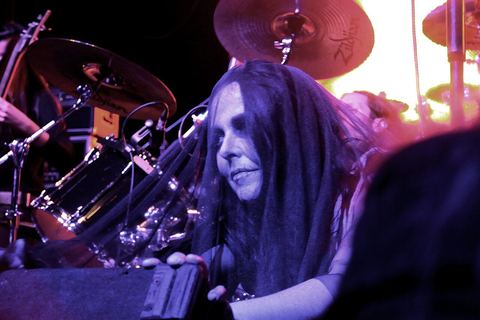
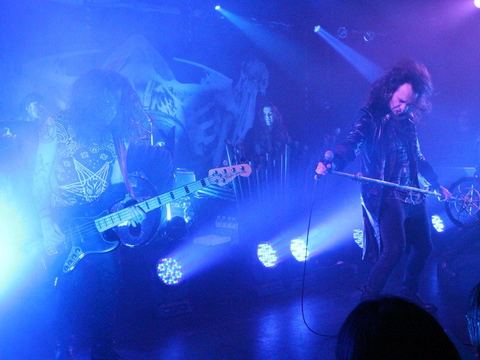
Heavy Metal in Portugal
Portuguese metal grew from a handful of 1980s bands and one radio show into a scene with its own festivals and bands known far beyond the country.
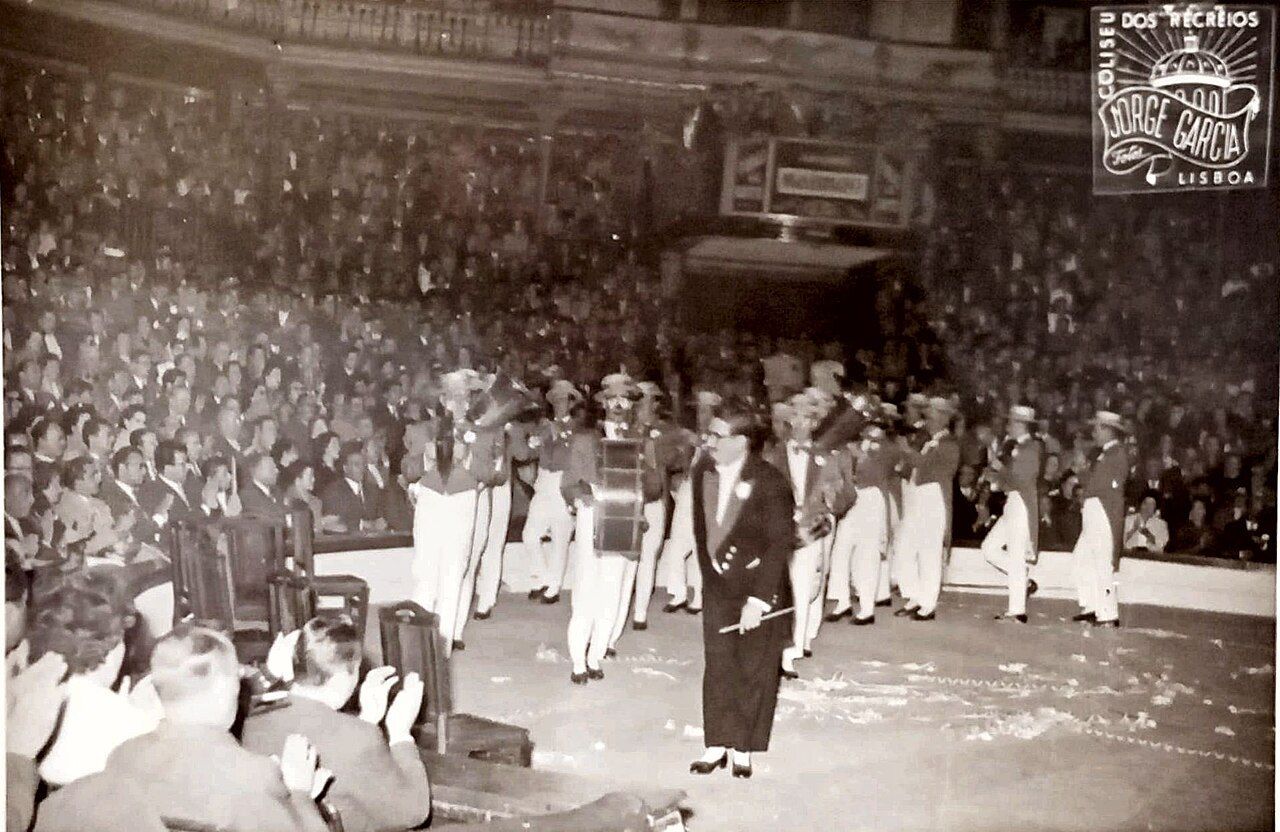
How did heavy metal take root in Portugal, and how did the scene grow into what it is today? The story starts later than in Britain or the United States. For almost half a century Portugal lived under the Estado Novo dictatorship, and it was only after the Carnation Revolution of 25 April 1974 that young Portuguese had easier access to foreign music, instruments and a freer cultural life. By the early 1980s, heavy metal was finding a following among a new generation.
The first bands and the radio show
The first Portuguese heavy metal LP is usually credited to NZZN, whose Forte e Feio came out in 1982, although it was not well received. Tarantula, formed in Porto in 1981, became the key band of the decade and is often described as the first Portuguese metal band with real impact outside the country; their self-titled debut album arrived in the late 1980s. Other groups played small clubs and local festivals, but recording opportunities were scarce and most bands left only demo tapes.
Radio played a huge role. On 23 October 1983, the broadcaster António Sérgio launched Lança-Chamas on Rádio Comercial, the first heavy metal programme on Portuguese national radio. Aired on Saturday afternoons, it grew from one hour to two and became essential listening for fans who had few other ways to hear new bands. Alongside it, fanzines and tape trading connected Portuguese fans to the international underground.
The 1990s breakthrough
The 1990s were the decade when Portuguese metal found its own voice. Ramp, formed in Seixal in 1989, signed to PolyGram and released Thoughts in 1992, becoming one of the leading thrash and groove bands. Sacred Sin released Darkside in 1993, an early landmark of Portuguese death metal. Above all, Moonspell, formed in Brandoa, Amadora as Morbid God in 1989, released Wolfheart in 1995 and Irreligious in 1996 and built the widest international career of any Portuguese metal band. Gothic metal flourished in their wake, with Heavenwood releasing Diva in 1996, while the black metal underground produced bands such as Filii Nigrantium Infernalium and Corpus Christii, formed in 1998.
Festivals and the modern scene
Festivals gave the scene a permanent home. SWR Barroselas Metalfest was founded by the brothers Tiago and Ricardo Veiga in their home village of Barroselas, in the north of the country; the first edition took place on 25 April 1998 at the Casa do Povo, with five bands. It is now one of the longest-running extreme metal festivals in Europe. Vagos Open Air started in 2009 and was held in the Vagos municipality until 2015, after which Vagos Metal Fest continued the tradition there from 2016.
In the 2000s, online forums became important meeting places where Portuguese fans swapped news, organised trips to shows and discussed local releases, taking over part of the role once played by fanzines. The modern scene sends bands abroad regularly: the black metal band Gaerea from Porto signed to the international label Season of Mist, and the brutal death metal band Analepsy performed at Wacken Open Air in 2017.
To go deeper, start with the records named here in chronological order, from Tarantula through Moonspell's Wolfheart to Gaerea's Limbo, and check the history pages of SWR Barroselas Metalfest and Vagos Metal Fest to see which Portuguese bands shared their stages over the years.