Earplugs for Metal Gigs
Loud gigs can leave lasting damage, but the right earplugs, worn properly, let you keep the music and protect your hearing at the same time.
In this piece
Do you really need earplugs at a metal gig, and which ones should you buy? If your ears ring or sound muffled after a show, that is a sign they have been exposed to more noise than is safe. Here is why it matters, how the main types of earplugs differ and how to use them properly.
Why loud gigs damage hearing
Very loud sound can damage the tiny sensory hair cells in the inner ear. Health bodies such as the World Health Organization (WHO) and the NHS explain that repeated exposure to loud noise can cause noise-induced hearing loss and tinnitus, a ringing or buzzing in the ears. The damage builds up over time, and once hearing is lost it cannot be restored. The risk depends on both how loud the sound is and how long you are exposed to it: the louder it is, the shorter the time before harm starts. Live metal is often loud enough that the safe time is measured in minutes, not hours, especially near the stage or the speakers. Ringing after a gig often fades, but it is a warning, and anyone whose hearing or ringing does not return to normal should see a doctor.
Types of earplugs and what the ratings mean
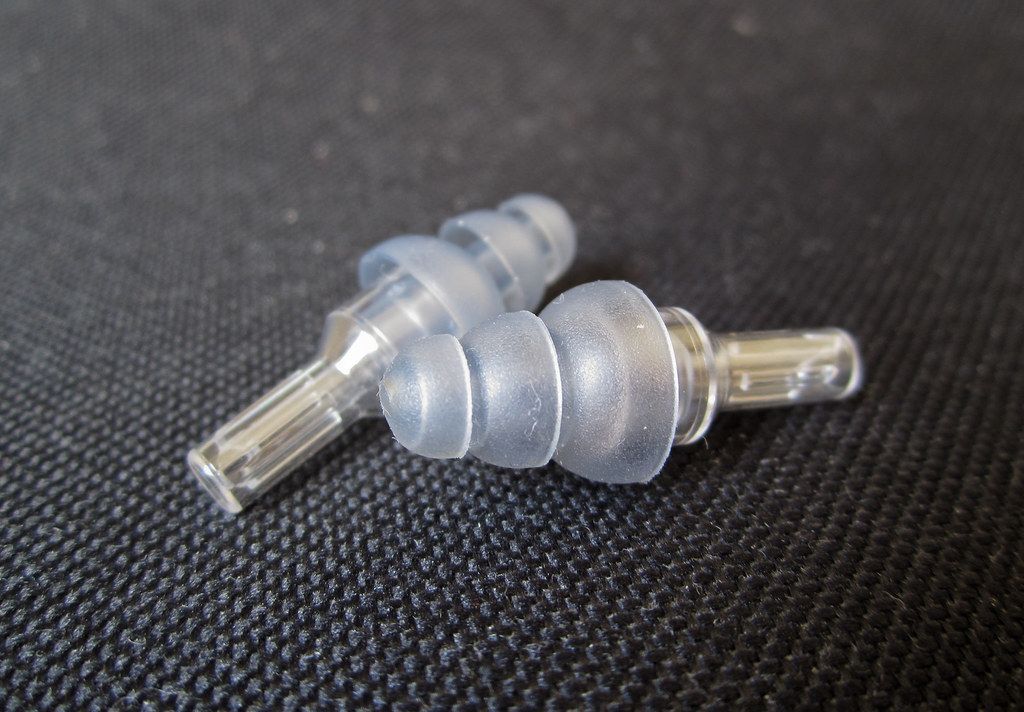
There are three main kinds. Foam earplugs are cheap and disposable. They block a lot of sound when inserted properly, but they also muffle the music, so guitars and vocals can sound dull. Reusable filter earplugs, often sold as high-fidelity or music earplugs, use a small filter to lower the volume more evenly across frequencies, so the music sounds clearer, just quieter. Brands such as Etymotic, Loop and others make them. Custom-moulded musician's plugs are made from a mould of your ear canal, usually by a hearing-care professional, and take interchangeable filters. They cost the most but are the most comfortable for regular gig-goers and musicians.
Packaging usually shows a rating. The NRR (Noise Reduction Rating) is used in the United States and the SNR (Single Number Rating) in Europe. Both are a number in decibels that tells you roughly how much the plug reduces sound in lab tests. A higher number means more reduction. In real life, protection is often lower than the label, mainly because of poor fit, so fitting matters as much as the number. For most gigs, a plug that lowers the volume enough to make it comfortable while keeping the music clear is a better choice than one you will take out after two songs.
How to fit foam plugs and simple habits
To insert a foam plug, roll it between your fingers into a thin, tight cylinder. With the other hand, reach over your head and pull the top of your ear up and back to straighten the ear canal. Push the plug in and hold it with a fingertip for a few seconds while it expands. A good fit feels snug, and your own voice sounds louder in your head. If much of the plug sticks out or the sound is barely quieter, take it out and try again. Filter plugs are pushed in gently with a slight twist until they seal.
A few habits help as well. Keep some distance from the speaker stacks. Take short breaks away from the noise, for example between bands. Put your earplugs in before the first band starts, not when your ears already hurt, and keep them in for the whole set. Carry a spare pair, because foam plugs are easy to lose in the pit.
The practical next step: buy a pair before your next show, try them at home to get used to the fit, and keep them in the pocket you always take to gigs. If you play in a band or attend shows every week, ask a hearing-care professional about custom musician's plugs.