The NWOBHM Explained
In the late 1970s a wave of young British bands made heavy metal faster, leaner and self-made, and their records shaped thrash and extreme metal.
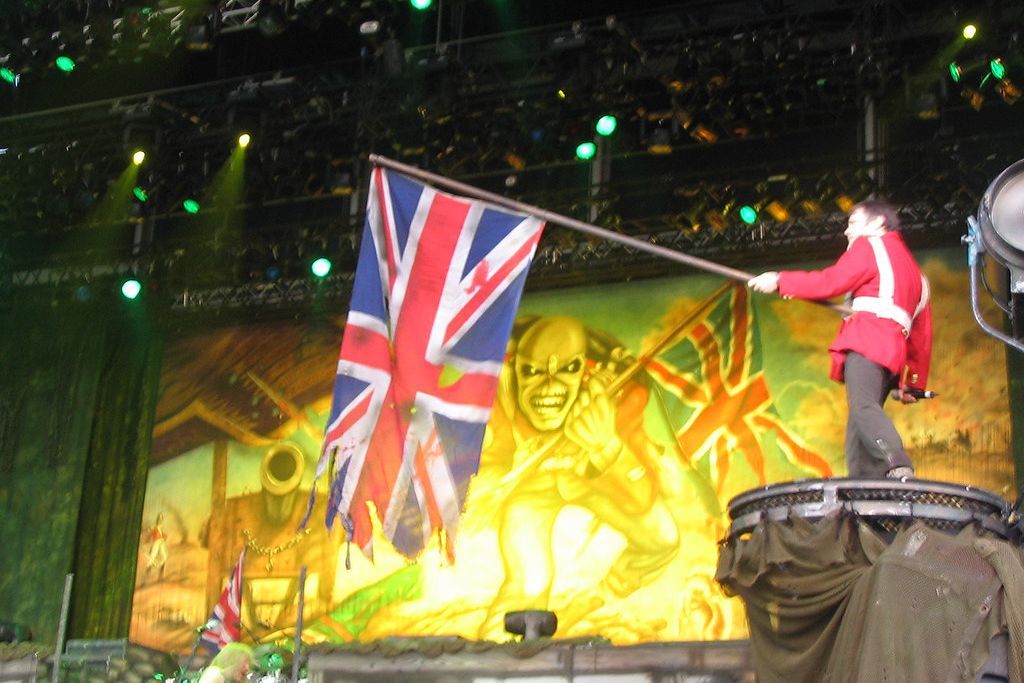
What was the NWOBHM, and why do metal fans still talk about it? The New Wave of British Heavy Metal was a movement of young British bands that emerged in the late 1970s and peaked in the early 1980s. It took the weight of 1970s heavy rock, added the speed and do-it-yourself energy of punk, and produced many of the bands and records that later metal was built on.
How the scene started and got its name
By the late 1970s punk dominated the British music press, and older heavy rock acts looked out of fashion. Yet in pubs and clubs across the country, a new generation of heavy bands was building an audience. A key meeting point was the Heavy Metal Soundhouse at the Bandwagon in north-west London, where DJ Neal Kay played records and demo tapes by unsigned bands. Charts compiled from the club's requests were published in the weekly music paper Sounds, giving new groups national attention.
The name itself came from Sounds. The phrase New Wave of British Heavy Metal first appeared in print in May 1979, in Geoff Barton's review of a London show featuring Iron Maiden, Samson and Angel Witch. The term is generally credited to the paper's editor, Alan Lewis, while Barton did most to spread it through his ongoing coverage. He later became the founding editor of Kerrang!, the magazine that grew out of this scene.
The movement was defined as much by how records were made as by how they sounded. Many bands released their first music themselves or through tiny independent labels, usually as 7-inch singles or EPs. Iron Maiden's self-released The Soundhouse Tapes and Def Leppard's early independent EP are well-known examples. Neat Records in Newcastle became an important home for heavier acts. This DIY culture let bands reach listeners without waiting for a major label.
The key bands
The NWOBHM was never one sound. It covered melodic hard rock, gallop-driven metal and something much rawer, so the bands are best heard one by one:
- Iron Maiden: the scene's biggest success, from the self-titled debut (1980) to The Number of the Beast (1982).
- Saxon: hard-working, anthemic metal on albums such as Wheels of Steel (1980).
- Def Leppard: started in the movement before moving towards polished, radio-friendly rock.
- Diamond Head: a riff-heavy band whose songs later became standards for thrash musicians.
- Angel Witch: dark, occult-themed metal on their self-titled 1980 debut.
- Venom: the harshest of the lot, whose Welcome to Hell (1981) and Black Metal (1982) pointed straight towards extreme metal.
Why it still matters
The NWOBHM's influence is easiest to hear in American thrash. Metallica grew up on these records and covered several Diamond Head songs, including Am I Evil? and Helpless, as well as songs by other NWOBHM bands. The speed, twin-guitar interplay and independent spirit of the movement became part of thrash's foundation, and Venom's raw sound and imagery gave black metal its name and much of its attitude.
To hear the movement properly, start with Iron Maiden's debut, then go to the singles and early albums of Diamond Head, Angel Witch and Venom. Compilation albums from the period are also a good route, because many NWOBHM bands released only a handful of singles before disappearing.