Metal Tape Trading
Before downloads and streaming, the metal underground ran on copied cassettes, photocopied fanzines and a global web of letters sent through the post.
How did an unsigned band from one country end up with fans on another continent before the internet existed? In the 1980s and early 1990s the answer was tape trading: fans and musicians copying cassettes and posting them to each other. It was unofficial, slow and entirely personal, yet it carried thrash, death and black metal around the world long before most of those bands had a record deal.
How the network worked
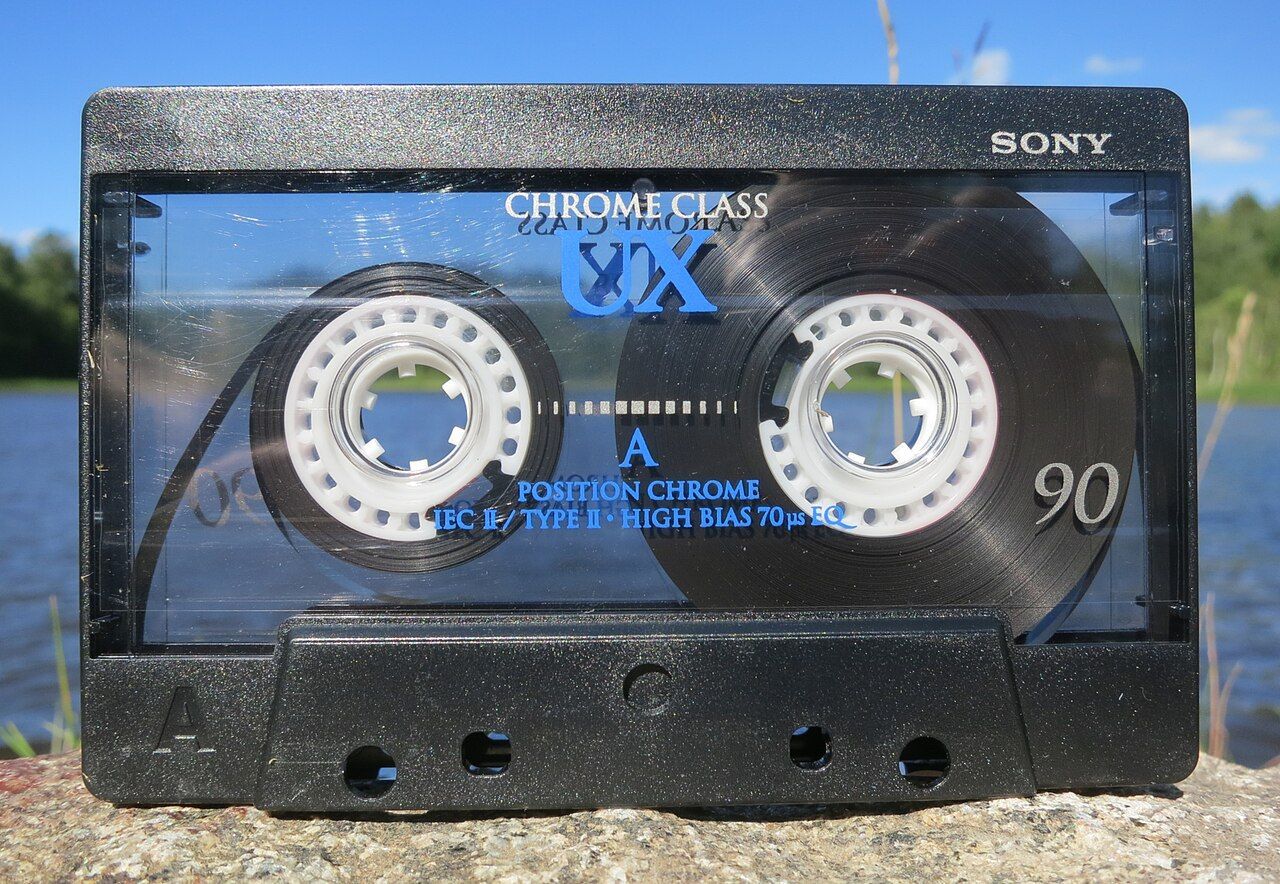
The basic unit was the demo tape. Bands recorded a few songs in a rehearsal room or a cheap studio, dubbed copies on home cassette decks and sent them to anyone who asked. Traders kept lists of what they owned, including demos, rehearsals and live recordings taped at shows, and swapped copies by mail. A blank tape went out, a full one came back, and each copy made from a copy lost a little more sound quality. For fans, a hissy third-generation dub was often the only way to hear a band at all.
Contacts came from fanzines. These were small, independently made magazines, often typed or handwritten and photocopied, full of interviews, demo reviews, scene reports and, most importantly, addresses. A single fanzine could put a reader in Europe in touch with bands and traders in the Americas or Asia. Letters carried flyers for other bands and zines, so every exchange widened the network. Because stamps from one country could not be used in another, correspondents often included international reply coupons, which the recipient could exchange at their local post office for return postage.
What it did for the bands
The best-known example is Metallica's 1982 demo No Life 'til Leather. Copies were handed to tape-trading contacts and spread from California to other parts of the United States and on to Europe, building an audience for the band before its debut album, Kill 'Em All, came out in 1983. Drummer Lars Ulrich was himself an active trader, which shows how closely the musicians and the fans were linked in this world.
Later in the decade, the same system helped death metal and black metal grow as international scenes rather than purely local ones. A demo recorded in one city could be discussed in fanzines on another continent within months, and small labels often found new bands through the same tapes and zines. For many groups, a well-traded demo was the first step towards a record deal. The network also gave the underground its values: direct contact between band and listener, and pride in the do-it-yourself approach.
Why it faded, and what remains
From the mid-1990s onwards, email, web pages and later file sharing did in minutes what the post had done in weeks, and organised tape trading gradually lost its purpose. Its legacy remains visible: the fanzine spirit lives on in blogs and webzines, and many classic demos have since been officially reissued on vinyl or CD. The cassette itself has also made a modest comeback, with some underground bands and small labels releasing limited tape editions for collectors who enjoy the format.
To explore this history yourself, start with a band you already like, look up its demo releases on Encyclopaedia Metallum or Discogs, and track down an official reissue of an early demo. Hearing a band before its first album shows exactly what the tape traders were passing around.